Invent Together Across Generations

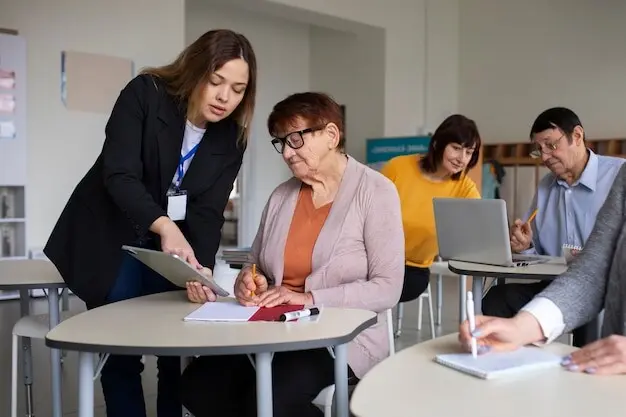
Join us to explore planning mixed-age hackathons and Maker Days for reciprocal learning, where children, teens, adults, and elders co-create, teach, and learn in both directions. We will transform diverse skills into joyful prototypes, balance structure with play, and design rituals that celebrate curiosity, dignity, and shared discovery from first brainstorm to final demo. Subscribe, comment, and share your own intergenerational making stories, tips, and questions, so we can iterate together and amplify this joyful approach in schools, libraries, and neighborhoods everywhere.

Set Clear, Shared Intentions

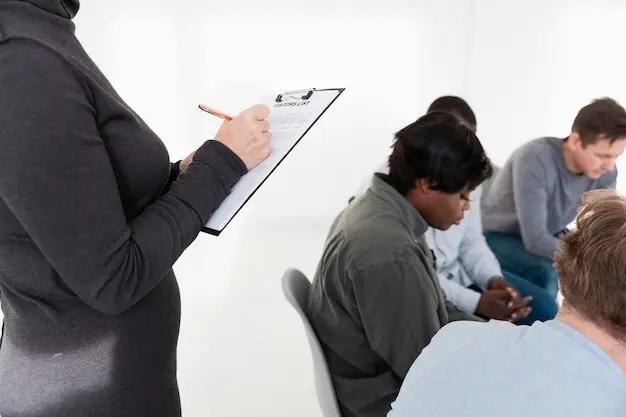
Begin with a one-sentence purpose that everyone can repeat, from seven-year-old tinkerers to retired engineers. Share three simple outcomes: connection, creativity, and contribution. Invite participants to add personal intentions on sticky notes, making the plan co-owned, visible, and adaptable as momentum rises and teams discover surprising synergies.

Scope That Sparks Creativity, Not Stress

Offer gently bounded challenges that welcome varied experience levels. Limit materials or time in playful ways that encourage iteration, not perfection. Provide example prompts without prescribing solutions, so multigenerational teams feel safe experimenting, laughing at misfires, and celebrating delightful partial successes that still illuminate transferable skills and next steps.

Inviting, Pairing, and Welcoming Every Age

Recruit across schools, clubs, libraries, workplaces, and senior centers with language that respects expertise earned at any age. Pair participants thoughtfully by interests, access needs, and complementary strengths, then welcome everyone with rituals that reduce anxiety, honor identities, and spark immediate collaboration through smiles, stories, and small wins.

Safety, Inclusion, and Flow

Mixed-age making thrives when physical, cognitive, and social safety are designed in from the start. From soldering stations to quiet corners, plan environments that protect bodies, respect sensory differences, and sustain attention, while check-ins, signage, and kindness protocols keep momentum steady without sacrificing creativity, humor, or personal dignity.

Universal Design in Action

Provide adjustable tables, contrasting labels, large-print instructions, captions on videos, and tool alternatives like cardboard cutters instead of blades. Build projects that still shine without electricity. When everyone can participate fully, learning flows in both directions naturally, and collaboration becomes proud, safe, and genuinely delightful for every contributor.

Psychological Safety and Consent

Normalize asking before touching someone’s project or body, model graceful declines, and celebrate questions as contributions. Teach mentors to narrate thinking aloud, including mistakes. When people know curiosity will not be mocked, they volunteer ideas sooner, test bolder prototypes, and invite feedback that turns setbacks into teachable, shared moments.

Maker Space Logistics Without Friction

Label zones clearly, stage materials in color-coded bins, and post simple cleanup cues with icons. Appoint a roaming fixer for glue guns, batteries, and printer jams. Small operational wins save attention for mentoring and design decisions, keeping intergenerational energy high and conversations warm right through the final showcase.

Mentors, Facilitators, and Reciprocal Roles

Design roles so every participant both teaches and learns. Younger coders can explain block-based logic while retirees share woodworking jigs or storytelling craft. Facilitation focuses on questions, not answers, surfacing tacit wisdom and fresh eyes equally, so dignity, agency, and wonder grow side by side throughout the day.

Reverse Mentoring Moments

Schedule lightning rounds where youngsters demo a trick—like calibrating sensors or remixing audio—then invite elders to connect it to a life story or professional practice. The swap affirms that expertise wears many faces, building mutual respect, contagious curiosity, and project breakthroughs neither age group could achieve alone.

Story-Driven Guidance

Coach mentors to guide through narratives rather than lectures. A brief anecdote about a failed prototype that later saved a client becomes a map for perseverance. Stories travel across ages more easily than instructions, anchoring techniques in meaning, humor, and the emotional fuel required to keep tinkering bravely.

Projects That Bridge Experience Levels

Choose prompts with low floors, wide walls, and high ceilings so everyone contributes meaningfully. Blend digital and analog making, prioritize community benefit, and celebrate redesigns. Provide tool ladders that escalate gently, letting enthusiasm pull learners upward while reciprocity ensures nobody is left idle, intimidated, or unheard at any table.

Evidence, Reflection, and Ongoing Community

Document progress lightly but meaningfully: photos, quotes, quick surveys, and a wall of lessons learned. Close with reflective circles where each age group shares takeaways and thanks. Convert momentum into mailing lists, meetups, and micro-challenges so relationships and learning loops continue well beyond a single exuberant day.
Karotelinoviveltosanosira
Privacy Overview

This website uses cookies so that we can provide you with the best user experience possible. Cookie information is stored in your browser and performs functions such as recognising you when you return to our website and helping our team to understand which sections of the website you find most interesting and useful.